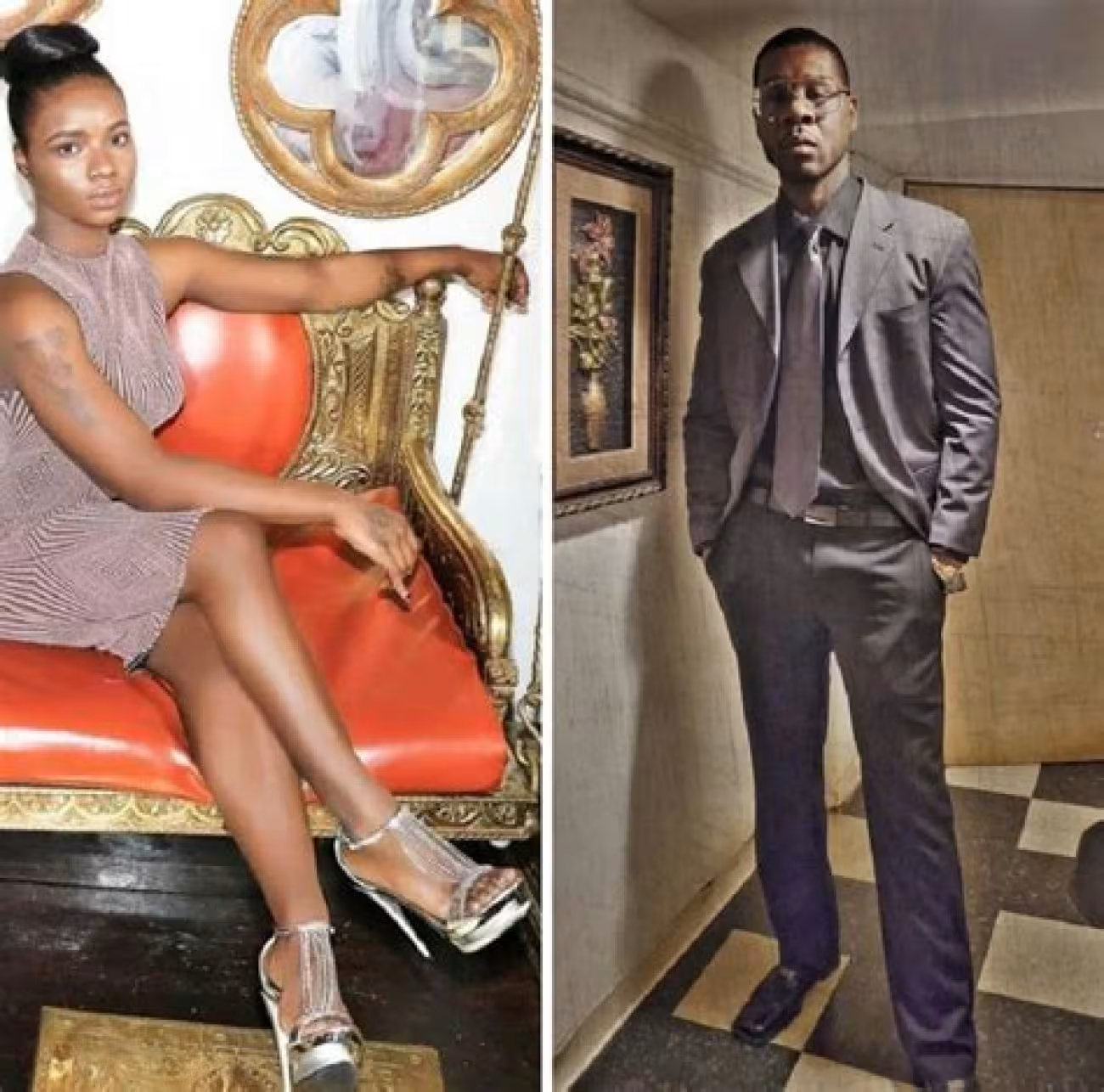
Jessica Kiyee, a former Starbucks barista in New York City, became the subject of public attention after being arrested for recording NYPD officers during a police encounter in Manhattan on June 2, 2020. She was filming officers who had chased and tackled a young Black man during a period of protests following the death of George Floyd.
The incident led to a civil rights lawsuit against New York City and several police officers. Although Kiyee initially joined the lawsuit with her cousin, Kiyee Kye, he later became the sole plaintiff in the case.
Who Is Jessica Kiyee?
Jessica Kiyee is a New York woman who became publicly known through her involvement in a legal dispute involving the New York Police Department (NYPD).
According to a May 2021 report by CONAN Daily, Kiyee was 22 years old at the time and worked as a Starbucks barista in New York City during the COVID-19 pandemic. She lived in Jamaica, Queens, and was returning home from work when the incident occurred.
Her name attracted attention after she recorded police officers arresting a Black man in Lower Manhattan and was subsequently arrested herself.
What Happened During the June 2020 Police Encounter?
On June 2, 2020, shortly after 8 p.m., Kiyee was walking along Broadway in Lower Manhattan with her cousin, Kiyee Kye. They were heading toward the Broadway-Lafayette subway station after her work shift.
According to the federal court's account of the allegations in the lawsuit, Kye noticed NYPD officers chasing a young Black man on nearby Bleecker Street. Concerned that the officers might use excessive force, he asked Kiyee to record the encounter with her cellphone.
The two remained more than 50 feet away from the police activity. Officers subsequently approached them and ordered them to move farther back. Kye and Kiyee complied, but officers allegedly grabbed Kye, tackled him to the ground, and struck him repeatedly.
During the confrontation, an officer knocked the cellphone out of Kiyee's hand. She was also subjected to force and arrested.
Why Were Jessica Kiyee and Her Cousin Arrested?
The arrests took place during New York City's emergency curfew, which began at 8 p.m. on June 2, 2020, amid demonstrations and unrest following George Floyd's death.
However, the curfew order included an exemption for people traveling to and from essential work. The lawsuit stated that both Kiyee and Kye were essential food workers. Kye had accompanied his cousin home after her shift.
The complaint alleged that the officers treated them differently from two white bystanders who were also recording the police encounter. According to the allegations, those individuals were simply instructed to leave, while Kiyee and Kye were arrested.
Both received summonses for violating the curfew and were released at approximately midnight. Kye's curfew summons and charges were subsequently dismissed at the request of the Manhattan District Attorney's Office.
The Civil Rights Lawsuit Against New York City
On April 26, 2021, Kiyee and Kye filed a federal civil rights lawsuit against New York City and several NYPD officers in the U.S. District Court for the Southern District of New York.
The lawsuit alleged that the officers violated their constitutional rights through unlawful arrests, excessive force, and interference with their ability to document police activity. It also raised concerns about the alleged difference in treatment between the two plaintiffs and white bystanders.
The case was brought under Section 1983 of the Civil Rights Act, a federal law that allows individuals to seek legal remedies when government officials allegedly violate their constitutional rights.
Jessica Kiyee Was No Longer a Plaintiff in the Later Proceedings
An important detail in the case is that Kiyee and Kye initially filed the lawsuit together, but their legal positions changed during the proceedings.
According to the court's September 15, 2023 opinion, a second amended complaint filed on September 19, 2022, named Kye as the sole plaintiff. Kiyee was no longer listed as a plaintiff in the subsequent proceedings.
In its September 2023 ruling, the court dismissed several claims, including the federal First Amendment retaliation and equal protection claims. However, it allowed the false arrest claims to proceed.
The ruling addressed whether the claims could proceed at that stage of litigation. It was not a final determination that the alleged police misconduct had been proven.
New York City Agreed to Pay $45,000 in Settlement
The lawsuit eventually reached a settlement in 2024. On July 30, 2024, the court approved settlement agreements resolving the remaining claims brought by Kiyee Kye.
Under the agreement, New York City agreed to pay Kye $45,000 in settlement of his claims. A separate agreement provided $80,000 to his attorney for legal fees, expenses, and costs.
The distinction is important: the $45,000 payment was designated for Kiyee Kye, while the additional $80,000 was allocated to his legal counsel. The settlement documents do not establish that Jessica Kiyee personally received either payment.
The case was subsequently dismissed with prejudice, meaning the settled claims could not be brought again in the same action. The agreement also explicitly stated that the settlement did not constitute an admission of wrongdoing by New York City or the police officers.
Why the Case Attracted Public Attention
The Jessica Kiyee incident became part of broader discussions about police accountability and the rights of civilians who record law enforcement activity in public.
Recording police officers performing their duties in public is generally protected by the First Amendment, provided the recording does not unlawfully interfere with police operations.
Although Kiyee was no longer a plaintiff in the later stages of the lawsuit, her role in recording the June 2020 encounter remained part of the case's factual background. The proceedings also highlighted the legal questions surrounding arrests made during emergency curfews and the treatment of bystanders documenting police activity.
- Log in to post comments