Trump Administration’s Proposed USPS Ballot Changes Face Ongoing Court Battle
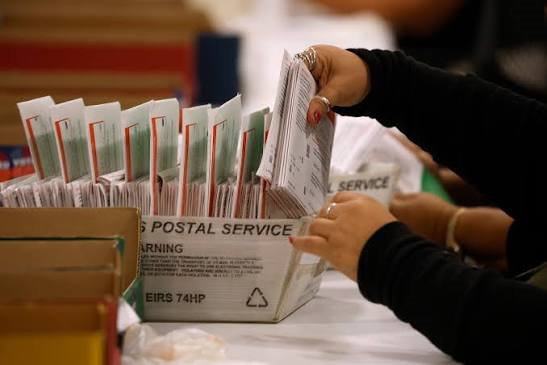
WASHINGTON, July 20, 2026 — The Trump administration has received a temporary legal victory in its effort to introduce new United States Postal Service requirements for mail-in ballots, although a separate federal court order means the controversial policy cannot yet take effect.
A unanimous three-judge panel of the U.S. Court of Appeals for the District of Columbia Circuit on Friday paused an earlier ruling that had prevented USPS from continuing work on its proposed mail-ballot regulations.
The appeals court concluded that the administration was likely to succeed in arguing that the legal challenge was premature because the Postal Service had not yet finalized its rule. However, a separate injunction issued by a federal judge in Massachusetts remains in place, leaving the proposed changes blocked for now.
What Are the Proposed USPS Ballot Changes?
USPS published the proposed rule, titled “Ballot Mail for Federal Elections,” in the Federal Register on June 2, 2026.
Under the proposal, state and local election officials would be required to submit information about people receiving mail-in or absentee ballots. The information would include voters’ names and unique barcode numbers assigned to their outbound and return ballot envelopes.
USPS would use the information to create state-specific Mail-In and Absentee Participation Lists. Election officials could add or update voter information until the final date on which ballots could legally be mailed under state law.
The rule would also require:
- The official Election Mail logo on ballot envelopes.
- Automation-compatible envelope designs.
- Unique Intelligent Mail barcodes on outbound and return envelopes.
- USPS review of ballot-mail designs.
- Submission of ballot-recipient information through a federal USPS portal.
The proposal would apply to general, special and runoff federal elections. It would not apply to primary elections or ballots covered by the Uniformed and Overseas Citizens Absentee Voting Act.
Could USPS Refuse to Deliver Some Ballots?
During a June 24 Senate hearing, Postmaster General David Steiner said that USPS would not deliver outbound mail ballots in a state that refused to provide the required voter information.
Asked whether the Postal Service would process ballots without receiving the state’s voter manifest, Steiner responded that it would not do so under the proposed regulation.
That statement intensified concerns that the Postal Service could prevent eligible voters from receiving ballots because of incomplete records, administrative errors or disagreements between state and federal officials.
The proposal does not claim to change USPS procedures for processing completed ballots mailed back by voters. USPS has said it intends to continue using extraordinary measures to accelerate the delivery of return ballots before the November 3, 2026, midterm elections.
Trump Executive Order Led to USPS Proposal
The proposed USPS rule follows an executive order President Donald Trump signed on March 31, 2026.
The order directed federal agencies to strengthen citizenship verification and establish additional controls for mail-in and absentee voting. It argued that serialized ballot-envelope identifiers would create an auditable system and help prevent election fraud.
The administration maintains that the changes would improve ballot security, increase tracking and support enforcement of federal laws prohibiting noncitizen voting.
Critics, however, argue that the president and USPS do not have the legal authority to determine who may receive a ballot. They say election administration is primarily controlled by state governments, subject to laws enacted by Congress.
Federal Judges Block Trump’s Mail-Voting Policy
The Trump administration’s plan has faced multiple legal challenges.
On June 25, U.S. District Judge Indira Talwani ruled that the president had exceeded his constitutional authority by attempting to regulate state election procedures through the Postal Service.
Her injunction prevented enforcement of key provisions against 23 states and the District of Columbia that participated in the lawsuit. Those jurisdictions include several major battleground states, such as Arizona, Michigan, Nevada, Pennsylvania and Wisconsin.
On July 1, U.S. District Judge Emmet Sullivan issued another order preventing USPS from implementing its proposed regulations.
Sullivan found that the proposal conflicted with a 2021 settlement between USPS and the NAACP. Under that agreement, the Postal Service committed to prioritizing timely election-mail delivery and using extraordinary measures during national elections through 2028.
The D.C. Circuit has now temporarily paused Sullivan’s order while the appeal proceeds. The judges did not rule on whether the USPS ballot policy is ultimately constitutional or lawful.
What the Appeals Court Decision Means
The latest decision is a procedural victory for the Trump administration, but it does not immediately change how Americans vote by mail.
The Postal Service may continue moving through the regulatory process connected to the proposed rule. However, the Massachusetts injunction still prevents the administration from implementing the policy for the 2026 election in the jurisdictions covered by that case.
The litigation is expected to continue as election officials prepare for the November midterms.
The central legal questions include whether USPS can condition ballot delivery on state compliance with federal data requirements and whether the president can use executive authority to influence procedures traditionally administered by states.
How Voters Could Be Affected
The proposed changes could have major consequences for states that rely heavily on mail voting.
Election offices could face new responsibilities for collecting, verifying and transmitting voter and barcode information. Errors or delays could potentially affect whether ballot envelopes enter the postal system.
Voting-rights organizations also warn that eligible voters who request ballots close to state deadlines could be omitted from federal participation lists.
For now, voters should continue following the existing election rules in their states. The USPS proposal has not taken effect, and the legal dispute may produce additional rulings before the November 3, 2026, midterm elections.
Frequently Asked Questions
Has USPS already changed the mail-in ballot rules?
No. USPS has proposed new requirements, but the rule has not been finalized or implemented. A separate federal injunction also remains in effect.
What information would states have to give USPS?
States would provide voters’ names and the unique barcode numbers connected to their outbound and return ballot envelopes.
Would the proposal affect primary elections?
No. The published proposal excludes primary elections and ballots governed by protections for military and overseas voters.
Can USPS refuse to deliver mail ballots?
The postmaster general testified that, under the proposed rule, USPS would not deliver outbound ballots for states that failed to provide the required voter manifest. That policy is not currently in effect.
What happens next?
Federal appeals courts will continue reviewing the injunctions and legal challenges. USPS must also decide whether to issue a final rule after reviewing public comments.