Michael Doherty Murder Case: Inside the Batley Killing and Dewsbury Knife Rampage That Ended in Guilty Pleas
Leeds, UK — The criminal case involving Michael Doherty, also known as Michael Moore, has emerged as one of West Yorkshire’s most disturbing homicide investigations in recent years, exposing how rejected intimacy and coercive control can rapidly escalate into fatal domestic violence and indiscriminate public terror.
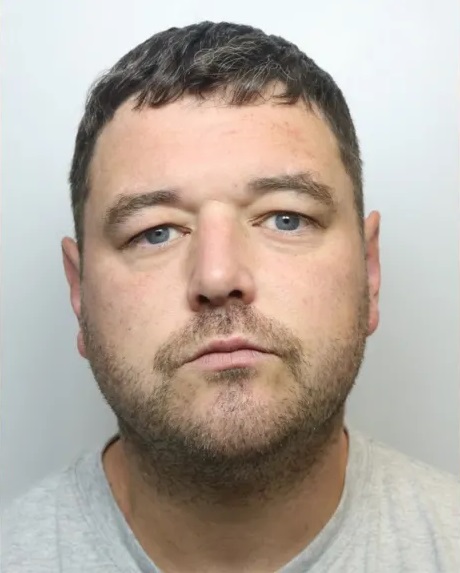
On July 25, 2025, a young woman, Courtney Angus, aged just 21, was brutally stabbed to death inside a house on Norfolk Street, Batley. Within hours, the killing was followed by a chaotic knife rampage across Dewsbury, culminating in an armed confrontation with police and an on-the-spot confession.
The case reached a critical legal conclusion on January 26, 2026, when Doherty entered a series of guilty pleas at Leeds Crown Court, including murder and multiple knife-related offenses.
Who Was Courtney Angus?
Courtney Angus was described by her family and friends as a “beautiful soul” — kind, sociable, and deeply loved. A Dewsbury native, she had worked in hospitality at The Fox and Hounds pub, where colleagues remembered her for her warmth and infectious smile.
In the days leading up to her death, Angus had been temporarily staying at Doherty’s home on Norfolk Street, a short-term arrangement that prosecutors later identified as a critical vulnerability factor.
Trigger for the Killing: Rejection and Coercive Control
According to prosecutors, the murder was triggered when Doherty, 38, expressed romantic interest in Angus — an advance she rejected.
Court documents revealed that Doherty responded with manipulative suicide threats, a well-recognized warning sign of coercive control, where perpetrators weaponize emotional instability to pressure or trap victims.
When those tactics failed, the situation escalated into extreme violence.
The Batley Homicide
On the evening of July 25, 2025, Doherty attacked Angus inside the Norfolk Street property using a bladed weapon, inflicting multiple stab wounds.
Forensic evidence described the killing as “brutal” and “overkill”, indicating a high-intensity, emotionally charged assault. Angus died at the scene.
Rather than flee or conceal the crime, Doherty left her body in the house and went out into public.
Later that night, witnesses at a Batley pub reported seeing a visibly agitated man stating he had “done something terrible” — an early verbal admission that would later support the prosecution’s timeline.
Knife Rampage Across Dewsbury
The following day, July 26, 2025, Doherty traveled into Dewsbury town centre, where his behavior escalated into a violent spree.
Witnesses reported:
- Theft from multiple shops
- Knife threats toward supermarket staff
- Widespread fear in public spaces
At approximately 9:20 PM, police were called to Asda Dewsbury following reports of an armed individual threatening staff.
Armed Confrontation and Confession
West Yorkshire Police officers located Doherty in the town centre, where he was still armed with a large knife and verbally abusing officers.
Despite the danger, officers safely detained him. During the arrest, Doherty confessed spontaneously, telling police he had “killed someone.”
This confession led officers to the Norfolk Street address, where Courtney Angus’s body was discovered — a homicide previously unknown to police.
Forensic Evidence That Secured the Case
The Crown Prosecution Service (CPS), led by District Crown Prosecutor Graham Measures, built what was described as a “thorough prosecution”, relying on multiple evidence streams:
- Cell site analysis placing both phones at the murder scene
- CCTV footage documenting the Dewsbury rampage
- Witness testimony from pub patrons, shop staff, and police
- Forensic pathology confirming the violent nature of the killing
The strength of the evidence left Doherty with no viable defense.
Court Proceedings and Guilty Pleas
Doherty first appeared at Leeds Magistrates’ Court on July 30, 2025, before the case was transferred to Leeds Crown Court due to its severity.
On what was scheduled to be the first day of trial — January 26, 2026 — Doherty pleaded guilty to:
- Murder
- Theft
- Three counts of threatening with a bladed article, including threats against police officers
He denied lesser charges of affray and blade possession, which are often rendered redundant once more serious offenses are admitted.
Mandatory Life Sentence and Sentencing Outlook
Under UK law, a mandatory life sentence applies to murder convictions.
Judge Tom Bayliss KC confirmed that Doherty will receive a life term, with the court now tasked with determining the minimum term before parole eligibility.
Aggravating factors include:
- Use of a knife
- Multiple stab wounds
- Abuse of domestic trust
- Threats to civilians and police
Mitigation is limited, as the guilty plea came on the first day of trial, reducing sentencing credit.
Community Impact and Public Safety Questions
The killing of Courtney Angus has left Batley and Dewsbury deeply shaken. Her family said their lives were “shattered and turned upside down,” while tributes continue to pour in from the hospitality community.
The case has renewed calls for:
- Better awareness of coercive control
- Early intervention in informal living arrangements
- Stronger responses to knife crime
Conclusion
The Michael Doherty murder case stands as a stark reminder of how swiftly rejection, manipulation, and unchecked volatility can turn deadly.
Through rapid police action, digital forensics, and witness evidence, authorities ensured that a dangerous and violent offender was brought to justice — even as the loss of Courtney Angus remains irreversible.
Her legacy now endures in the pursuit of accountability, awareness, and the urgent need to prevent similar tragedies.