Brazil’s Lula Ramps Up Fiscal Stimulus Ahead of Tight 2026 Election
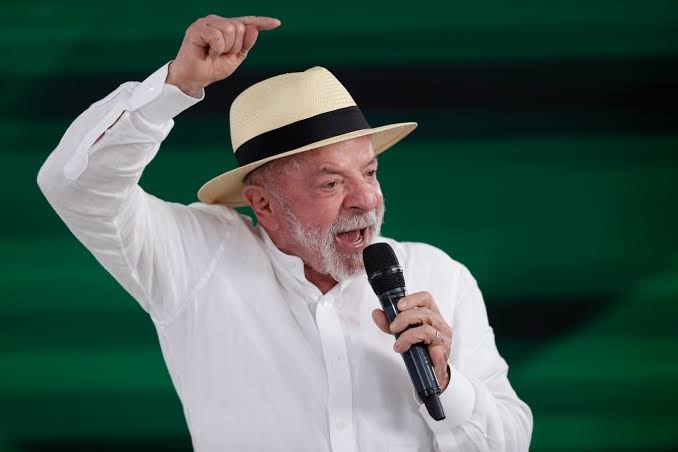
Lula Turns to Economic Relief as Reelection Race Tightens
BRASÍLIA, Brazil — President Luiz Inácio Lula da Silva is intensifying efforts to put more money into Brazilian households as he campaigns for another term in the October 2026 presidential election.
The strategy includes a sweeping income-tax exemption, expanded consumer debt relief, easier access to credit and the release of previously frozen government funds. Together, the measures could support consumption and improve household confidence at a politically crucial moment.
Lula formally launched his reelection campaign in early August as the race against right-wing Senator Flávio Bolsonaro became increasingly competitive. It will be Lula’s seventh presidential campaign and, should he win, his fourth non-consecutive term in office.
Echoes of Brazil’s 2010 Economic Boom
The approach recalls the final year of Lula’s second presidential term. In 2010, Brazil’s economy expanded by 7.5%, while Lula’s handpicked successor, Dilma Rousseff of the Workers’ Party, won the presidency.
Official statistics show that household consumption rose by 7% in 2010, government consumption increased by 3.3% and fixed investment surged by 21.8%. However, the Brazilian statistics agency also noted that the exceptional headline growth rate benefited from a low comparison base after the global financial crisis.
Lula is now attempting to recreate some of that economic momentum, although today’s fiscal environment is considerably more constrained.
Income-Tax Exemption Boosts Household Spending Power
One of the administration’s most politically significant policies is the expansion of Brazil’s personal income-tax exemption.
Since January 2026, workers earning up to 5,000 reais per month have been fully exempt from income tax. Those earning between 5,000 reais and 7,350 reais receive progressively smaller reductions. The measure nearly halves the number of Brazilians required to pay personal income tax and is expected to inject approximately 28 billion reais into the economy during 2026.
The government says the reform improves purchasing power and makes the tax system more progressive. Revenue losses are partly offset through higher taxation of top earners and certain dividend payments.
Politically, the tax break could help Lula broaden his support beyond poorer voters and regain middle-income households that have increasingly backed conservative candidates.
Lula Relaunches Consumer Debt-Relief Programme
The government has also revived and expanded Novo Desenrola Brasil, a debt-renegotiation programme aimed at households struggling with overdue credit-card, overdraft and personal-loan balances.
The programme covers eligible debts contracted by January 31, 2026, that have been overdue for between roughly three months and two years. Workers can also use funds held in their FGTS severance accounts to settle qualifying renegotiated obligations.
The new programme could receive up to 15 billion reais in government guarantees and potentially assist as many as 20 million people. By reducing monthly debt payments, the initiative is intended to free disposable income and restore access to formal credit.
However, the impact has so far been mixed. More than 3.6 million contracts have reportedly been renegotiated, but Brazilian household indebtedness remained close to record levels in May.
Payroll Loans Expand Rapidly
Another component of the government’s growth strategy is the expansion of payroll-deductible loans for private-sector employees.
Outstanding balances in the programme climbed by 47.8% during the first half of 2026 and by 143.1% over 12 months, reaching approximately 113 billion reais. Because repayments are deducted directly from salaries, the loans are generally offered at lower interest rates than unsecured consumer credit.
Yet the rapid expansion has raised concerns about overborrowing. Delinquency on the loans reached a record 8.6% in June, suggesting that easier credit may support short-term consumption while increasing longer-term financial risks for households.
Government Unfreezes Billions in Ministry Funds
In July, Lula’s administration announced that it would reduce a freeze on ministry budgets from 23.7 billion reais to 17.9 billion reais, effectively releasing about 5.7 billion reais for government departments.
Officials attributed the decision to lower projections for personnel, pension and social-benefit expenses. The release came approximately two months before the election and could accelerate government programmes and public expenditure during the campaign period.
The administration maintains that it remains committed to Brazil’s fiscal rules. The official 2026 target is a primary surplus equal to 0.25% of gross domestic product, subject to a tolerance band of 0.25 percentage points in either direction.
Brazil’s Debt Burden Raises Fiscal Concerns
Lula’s stimulus drive comes as Brazil faces mounting fiscal pressure.
The country’s overall public-sector deficit reached nearly 10% of GDP in the 12 months through June 2026, the highest level since the pandemic period. Gross public debt climbed to approximately 81.9% of GDP, more than 10 percentage points above its level when Lula returned to office in January 2023.
A large proportion of the deficit reflects Brazil’s exceptionally high interest costs. The central bank’s Selic policy rate stood at 14.25% before its August meeting, even after three consecutive reductions earlier in the year.
Government officials argue that social support and fiscal consolidation are not mutually exclusive. The administration has promised gradual spending and revenue adjustments, including automatic restrictions on some expenditures and tax incentives from 2027.
Stimulus Could Shape Brazil’s Election
For Lula, the political calculation is straightforward: lower taxes, easier debt repayments and greater access to credit could improve voters’ perceptions of the economy before they cast their ballots.
Cooling inflation may strengthen that strategy. Brazil’s annual inflation rate slowed to 4.52% in mid-July, moving close to the upper boundary of the central bank’s target range. Lower food prices and prospective interest-rate reductions could further improve household sentiment.
Nevertheless, the 2010 comparison has limits. Brazil entered that earlier election amid a strong post-crisis recovery, expanding investment and favourable global demand. In 2026, Lula must stimulate consumption while managing elevated debt, high borrowing costs and investor concerns over the credibility of Brazil’s fiscal framework.
The measures could deliver a meaningful short-term economic boost. Whether they produce enough improvement to secure Lula’s reelection—and whether Brazil can afford their longer-term consequences—will be central questions in the final months of the campaign.