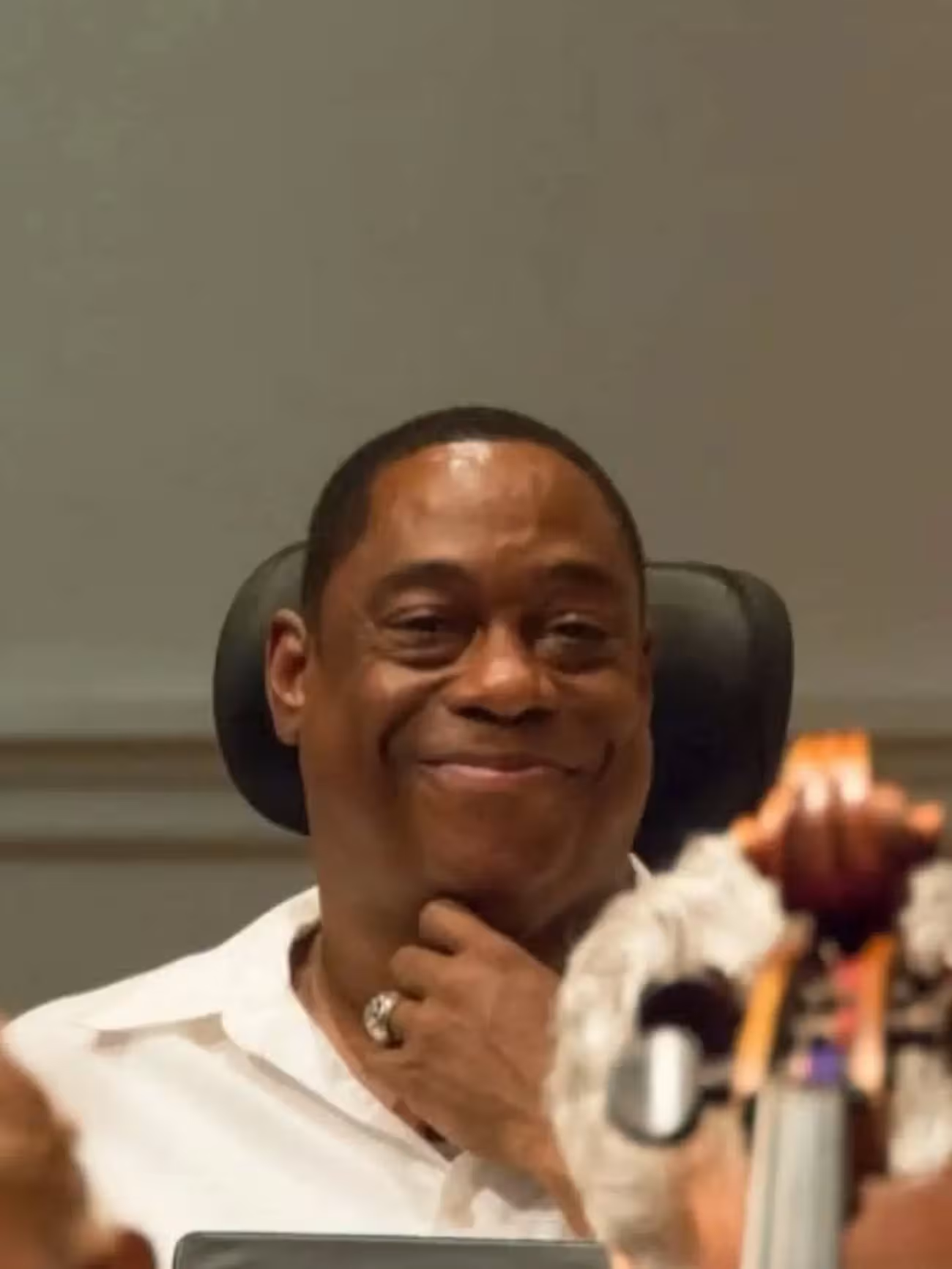
A mysterious shooting in Brooklyn in 1990 has become the center of renewed attention after its victim, Cort Cheek, died more than three decades later from complications related to his injuries. The 67-year-old man's death was officially classified as a homicide by the New York City medical examiner on November 13, 2026.
Cheek was shot in the abdomen by an unidentified assailant on June 23, 1990, outside 57 Lincoln Road in Prospect Lefferts Gardens, Brooklyn. The attack left him paralyzed from the waist down and dependent on a wheelchair for the rest of his life.
Although the shooting remained unsolved for 36 years, investigators have now established a connection between the original gunshot wound and his eventual death. No arrests have been made, and the NYPD says the original case remains open.
Who Was Cort Cheek?
Cort Cheek was a 67-year-old New York resident who became known not only as a survivor of a violent shooting but also as a witness to one of New York City's major terrorist attacks.
Following the 1990 shooting, Cheek experienced severe physical limitations and lived with chronic pain. He eventually resided at Selis Manor, a residential facility for people with visual impairments and disabilities, located on West 23rd Street in Manhattan.
Despite his health challenges, Cheek remained active in the community. He was a longtime member of the New York City Community Chorus and participated in the group for more than 25 years.
He frequently performed as a soloist and was remembered by fellow singers for his generosity, humor, and positive outlook despite years of physical suffering.
What Happened During the 1990 Brooklyn Shooting?
The shooting occurred shortly after 3 a.m. on June 23, 1990, outside 57 Lincoln Road in the Prospect Lefferts Gardens neighborhood of Brooklyn.
Cheek was 31 years old at the time and was reportedly walking home when an unidentified man approached him and shot him in the abdomen.
The attack was described as sudden, with no confirmed explanation for why the gunman targeted him.
Investigators have not established whether an argument, personal dispute, robbery, or another motive preceded the shooting.
The gunshot caused catastrophic injuries that permanently changed Cheek's life. He was left paralyzed from the waist down and required a wheelchair for mobility.
Despite the severity of the injuries, the shooting did not result in an arrest. The identity of the gunman and the circumstances surrounding the attack remained unknown for decades.
Why Was Cort Cheek's Death Ruled a Homicide in 2026?
On April 29, 2026, a home aide discovered Cheek unconscious and slumped over on the floor inside his apartment at 135 West 23rd Street in Manhattan.
Emergency medical personnel responded and pronounced him dead at the scene.
Initial observations reportedly found no signs of recent physical trauma that would immediately explain his death.
Following a forensic investigation, the New York City medical examiner determined that complications from the gunshot wound he sustained in 1990 had caused his death.
On November 13, 2026, the medical examiner officially classified the death as a homicide.
The ruling means that the original shooting is now connected to a fatal outcome, even though the victim survived for approximately 36 years after being shot.
Importantly, the homicide determination does not identify the shooter or establish who should be held criminally responsible. The investigation into the original attack remains unresolved.
How Did Cort Cheek Survive the 2016 Chelsea Bombing?
One of the most remarkable chapters of Cheek's life occurred on September 17, 2016, when a pressure-cooker bomb exploded in Manhattan's Chelsea neighborhood.
At the time, Cheek was living at Selis Manor, near the intersection of West 23rd Street and Sixth Avenue.
He was outside his residential building when a bomb detonated nearby, producing a powerful explosion that sent shrapnel, glass, and other debris across the street.
The attack injured more than 30 people and caused extensive property damage.
Although Cheek was close to the explosion, he survived without being physically injured by the blast.
He later described the terrifying experience, recalling the sound of sirens, people screaming, and the explosion itself.
He reportedly compared the experience to witnessing the end of the world, describing the chaos and confusion that followed the detonation.
What Happened in the 2016 Chelsea Bombing?
The Chelsea bombing was carried out by Ahmad Khan Rahimi, who planted an explosive device near West 23rd Street in Manhattan.
The device detonated at approximately 8:30 p.m. on September 17, 2016, injuring more than 30 people.
Another explosive device was discovered near West 27th Street but was safely rendered harmless before it could explode.
Rahimi also planted explosive devices in New Jersey as part of the wider bombing operation.
Investigators eventually identified Rahimi through surveillance footage, forensic evidence, and other investigative leads. He was arrested in Linden, New Jersey, on September 19, 2016, following a shootout with police.
In October 2017, a federal jury convicted him on all eight counts related to the New York and New Jersey bombings.
His conviction included offenses involving the use of weapons of mass destruction and bombing public places.
Cort Cheek Testified Against Chelsea Bomber Ahmad Rahimi
Cheek's experience as a survivor of the 2016 bombing later brought him into the federal courtroom.
He testified during Rahimi's 2017 trial in Manhattan, describing what he experienced when the explosive device detonated near his residence.
His testimony helped illustrate the human impact of the bombing and the terror experienced by people who happened to be near the explosion.
Surveillance footage presented during the proceedings also showed Cheek moving away from the blast area in his wheelchair as debris filled the surrounding streets.
His appearance in court was particularly significant because he had already spent decades coping with the consequences of another violent attack.
Although he had survived the 1990 shooting and the 2016 bombing, the injuries from the original shooting ultimately contributed to his death.
How Did the New York City Community Chorus Remember Him?
Cheek was a dedicated member of the New York City Community Chorus for more than 25 years.
Following his death, the organization shared a tribute remembering his contributions and the positive influence he had on other members.
The chorus described him as a frequent soloist who had originally connected with the group after meeting its members at a street fair.
His fellow singers remembered him as someone who maintained generosity, humor, and optimism despite constant pain and serious physical limitations.
The tribute also described him as the soul of the chorus, emphasizing the personal loss experienced by the musical community.
His involvement in the group demonstrated that his life continued to include meaningful relationships, artistic participation, and community engagement despite the permanent effects of the 1990 shooting.
Why Has the 1990 Shooting Remained Unsolved?
Despite the seriousness of the original attack, investigators have not publicly identified the person responsible for shooting Cheek.
The available reports do not establish a clear motive or explain why the assailant approached him that night.
The lack of arrests over such a long period makes the case particularly difficult to resolve.
However, the medical examiner's homicide determination has renewed attention on the original crime.
Police have confirmed that the case remains open, although no new suspect or arrest has been announced.
Investigators would need additional evidence, credible witness information, forensic findings, or other investigative developments to establish who committed the shooting.
Key Timeline of Cort Cheek's Life and the Two Major Attacks
| Date | Event |
|---|---|
| June 23, 1990 | Cort Cheek is shot in the abdomen outside 57 Lincoln Road in Brooklyn. |
| After June 1990 | The shooting leaves him paralyzed from the waist down. |
| September 17, 2016 | He survives the nearby Chelsea pressure-cooker bombing. |
| October 2017 | He testifies during Ahmad Rahimi's federal bombing trial. |
| April 29, 2026 | Cheek is found unconscious in his Manhattan apartment and pronounced dead. |
| November 13, 2026 | The medical examiner rules his death a homicide caused by complications from the 1990 gunshot wound. |
| November 19, 2026 | The NYPD confirms that the original shooting investigation remains open with no arrests. |
Final Thoughts
Cort Cheek's death represents an extraordinary and tragic conclusion to a life shaped by violence, disability, and resilience.
Shot in Brooklyn in 1990, he survived an attack that left him paralyzed for the remainder of his life. More than two decades later, he also survived the 2016 Chelsea bombing and became a witness in the federal prosecution of Ahmad Rahimi.
The medical examiner's November 2026 ruling established that complications from the original gunshot wound ultimately caused his death, officially classifying the case as a homicide.
However, the person responsible for the 1990 shooting has never been identified, and the NYPD investigation remains open.
Beyond the unresolved crime, Cheek will also be remembered for his involvement in the New York City Community Chorus and the generosity, humor, and optimism he maintained despite decades of physical suffering.
- Log in to post comments